Overview: Shopping in Madrid
Madrid offers a dynamic, flexible, and varied retail environment, combining historic traditional neighborhood shops, municipal fresh-food markets, international high-street chains, modern shopping centers, and luxury flagship boutiques.
Unlike many other European capitals, the Community of Madrid benefits from full retail schedule deregulation (Ley de Dinamización de la Actividad Comercial). This liberalized framework allows supermarkets, shopping centers, and retail parks to set their own opening days and hours throughout the year, making daily shopping exceptionally convenient.
Shopping Hours in Madrid
While trading laws allow unrestricted hours across the region, typical market schedules operate as follows:
- High-Street Chains & Department Stores:
- Monday to Saturday: 10:00 AM – 9:00 PM or 10:00 PM (unbroken schedule, no afternoon closure).
- Sundays & Public Holidays: Most open from 11:00 AM to 8:00 PM or 9:00 PM in designated commercial and tourist districts.
- Supermarkets & Hypermarkets:
- Monday to Saturday: 9:00 AM – 9:30 PM or 10:00 PM.
- Sunday Openings: Most large chains (Carrefour Market, Alcampo, Dia, and El Corte Inglés Supermercado) open Sunday mornings from 10:00 AM to 3:00 PM or 8:00 PM. Mercadona is the notable exception, remaining strictly closed on Sundays and public holidays.
- Independent Neighborhood Boutiques & Traditional Shops:
- Often observe the traditional split schedule (jornada partida): Monday to Friday from 10:00 AM to 2:00 PM, re-opening from 5:00 PM to 8:30 PM; Saturdays from 10:00 AM to 2:00 PM.
- Late-Night & Convenience Retail:
- Neighborhood convenience shops (locally called tiendas de conveniencia) and petrol station express markets (such as Carrefour Express at Cepsa or Repsol) open 7 days a week, often operating until 11:00 PM or 24/7.
- Pharmacies (Farmacias):
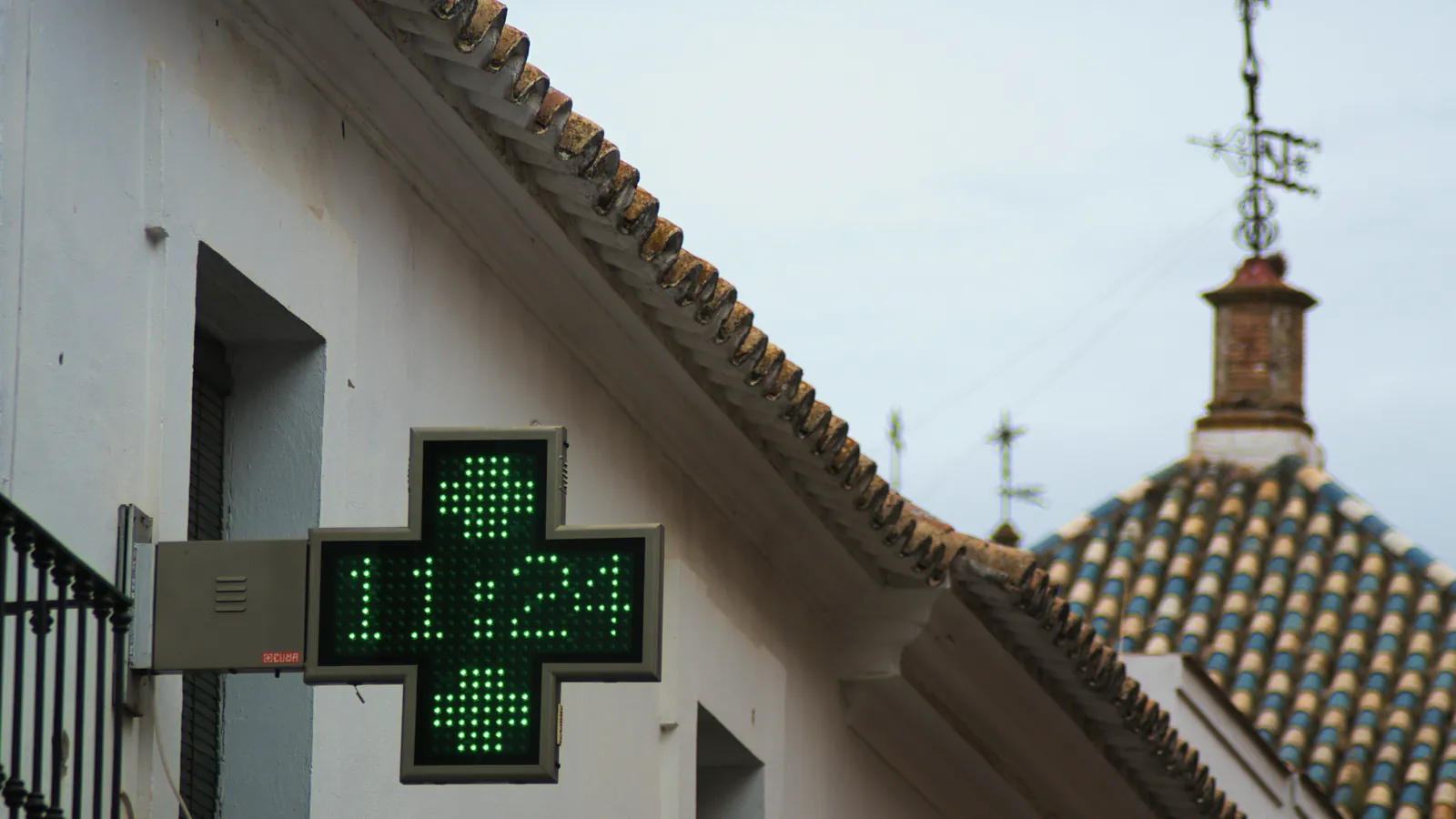
- Identifiable by a flashing green cross. Standard branches operate Monday to Saturday from 9:30 AM to 2:00 PM and 5:00 PM to 8:30 PM.
- Madrid has hundreds of 12-hour and 24-hour pharmacies (Farmacias 24 Horas). Outside standard hours, an official roster (Farmacia de Guardia) posted on every pharmacy door indicates the nearest open emergency chemist.
Prime Shopping Districts in Central Madrid
- Barrio de Salamanca (The "Golden Mile" / Milla de Oro): Centered along Calle de Serrano, Calle de José Ortega y Gasset, and Calle de Claudio Coello. The premier luxury district for haute couture, designer flagship boutiques, exclusive jewelry houses, and upscale dining.
- Gran Vía, Fuencarral & Preciados: Madrid’s high-street shopping axis. Gran Vía hosts flagship retail destinations (including one of Europe's largest Primark stores and Zara's global concept store). Calle Fuencarral is a pedestrian avenue specializing in contemporary streetwear, cosmetics, and independent denim labels.
- El Rastro (La Latina): Spain’s most famous open-air flea market, taking place every Sunday and public holiday morning (09:00 to 15:00) along Plaza de Cascorro and Ribera de Curtidores. Known for antiques, vintage fashion, books, and artisanal goods.
- Chueca & Malasaña: Independent design boutiques, vintage fashion stores, retro vinyl shops, and concept lifestyle retailers.
Department Stores & Modern Shopping Centres
- El Corte Inglés: Spain’s iconic department store chain with flagship multi-story locations across Madrid (Castellana, Serrano, Goya, and Preciados). Houses luxury fashion, electronics, cosmetics, household goods, books, and high-end grocery departments under one roof.
- Urban Shopping Centers:
- Galería Canalejas: Located next to Puerta del Sol, an exclusive luxury shopping galleria and gourmet food hall featuring global designer houses.
- Centro Comercial Príncipe Pío: Built inside a historic railway station near the Royal Palace, open 365 days a year for shopping, dining, and cinemas.
- Prime Suburban Malls & Retail Parks:
- Plaza Norte 2 (San Sebastián de los Reyes): A large dome-roofed retail center serving northern residential areas (La Moraleja, Alcobendas).
- Gran Plaza 2 (Majadahonda): Upscale retail mall serving Madrid’s western suburbs (Pozuelo, Majadahonda, Boadilla).
- Las Rozas Village: A premium open-air outlet shopping village offering discounted designer labels, located 25 minutes northwest of the capital.
Food Shopping: Supermarket Tiers & Chains
Madrid offers an extensive grocery ecosystem, from everyday neighborhood supermarkets to high-end gourmet food halls:
- Everyday Value & Market Leaders:
- Mercadona: Spain’s leading domestic supermarket chain, renowned for competitive pricing, reliable fresh fish and meat counters, and its private-label brands (Hacendado for food, Deliplus for personal care). Note: closed on Sundays.
- Carrefour: Operates large out-of-town hypermarkets (Carrefour Planet) and neighborhood city formats (Carrefour Market and 24/7 Carrefour Express). Offers wide organic ranges (Carrefour Bio) and international food sections.
- Dia: Compact, ubiquitous urban discount stores located in nearly every Madrid residential barrio.
- Alcampo (Auchan): Very competitive pricing on bulk pantry staples and hypermarket goods.
- German Discount Retailers:
- Lidl & ALDI: Ubiquitous across Madrid’s residential and suburban neighborhoods, offering low-cost organic produce, weekly international food specials, and household goods.
- Gourmet, Premium & International Grocers:
- Supermercado El Corte Inglés & Hipercor: Premium supermarket chain offering comprehensive fresh-food counters, high-end domestic brands, and imported specialty ingredients.
- Club del Gourmet (inside El Corte Inglés): High-end food hall specializing in fine wines, Iberian hams (jamón ibérico de bellota), artisanal cheeses, caviar, and luxury international delicacies.
- Sanchez Romero: Madrid’s most exclusive high-end supermarket chain (found in Salamanca, Pozuelo, and La Moraleja), recognized for pristine produce, concierge service, and premium domestic and imported goods.
- Organic Supermarkets: Dedicated chains like Veritas and Herbolarios Navarro specialize strictly in certified organic food, bio-cosmetics, and ecological household items.
- Costco Wholesale: Operates large wholesale membership warehouses in Getafe and Las Rozas, popular with expatriate families for bulk purchasing and international goods.
Practical Supermarket & Market Etiquette
- Fresh Counters & Taking Your Turn (La Vez): At fresh fish, butcher, and charcuterie counters in supermarkets and Mercados Municipales, look for a numbered ticket dispenser (red dispenser or digital screen) and pull a ticket upon arrival. At smaller traditional stalls without ticket machines, the golden local rule is to ask aloud: « ¿Quién es el último? » ("Who is the last in line?") to know who precedes you and preserve your place.
- Weighing Produce & Plastic Gloves: In most Spanish supermarkets (such as Mercadona and Carrefour), you must weigh and label loose fruit and vegetables yourself at the scales in the produce aisle before heading to checkout. You are also required by hygiene rules to use the complimentary disposable plastic gloves provided beside the produce bags when selecting items.
Municipal Fresh-Food Markets (Mercados Municipales)
Madrid’s network of over 45 historic municipal covered markets forms the backbone of neighborhood culinary culture. Unlike traditional weekly farmers' markets in other European countries, Madrid’s municipal markets are permanent covered buildings open Monday through Saturday:
- Everyday Neighborhood Markets: Markets like Mercado de Chamartín, Mercado de la Paz (Salamanca), Mercado de Maravillas (Tetuán), and Mercado de Antón Martín house independent butcher stalls (carnicerías), fishmongers (pescaderías), greengrocers (fruterías), and bakeries. They offer top-grade seasonal produce, customized butchery cuts, and direct interactions with local merchants.
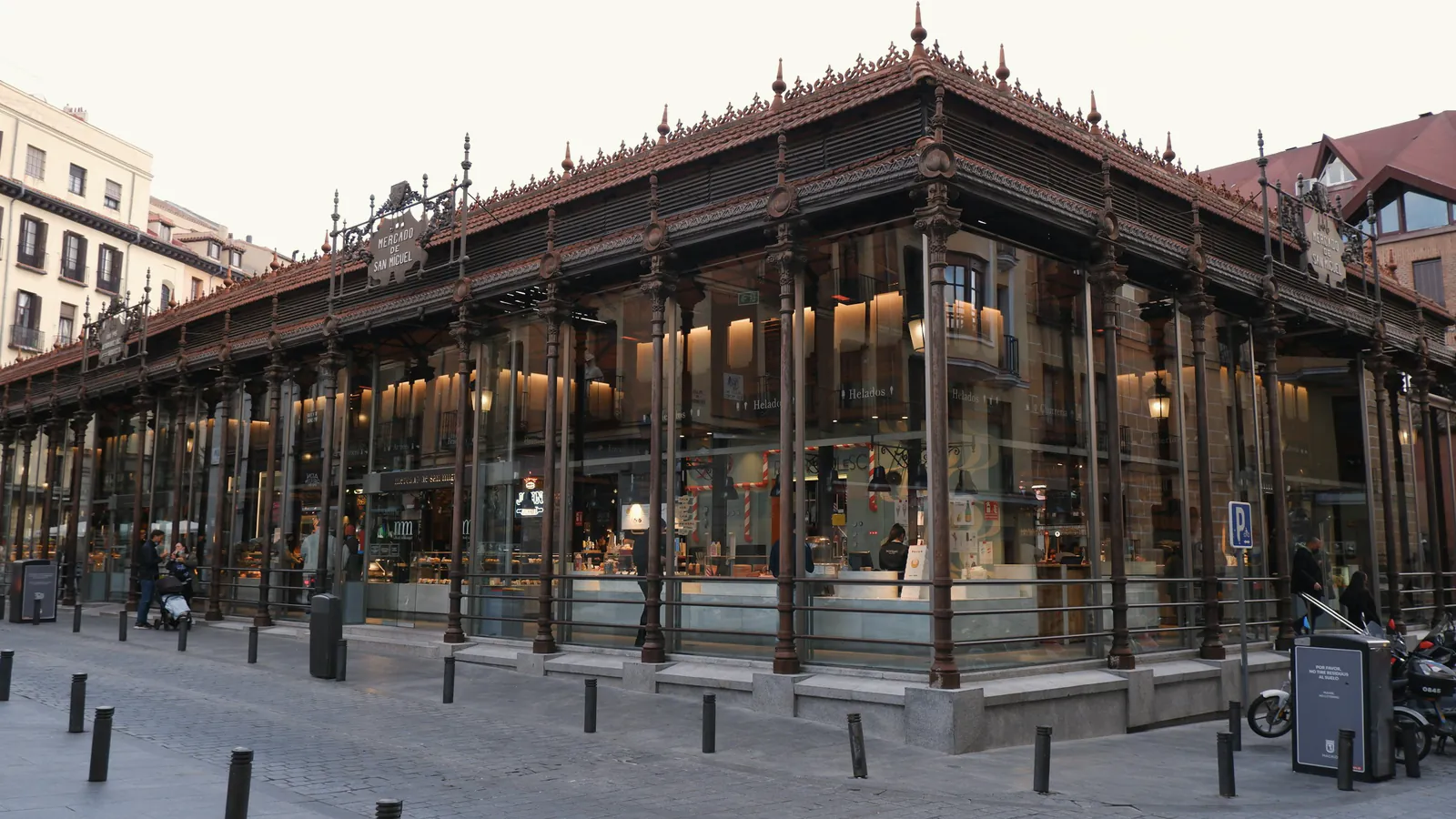
- Gourmet & Gastronomic Markets: Mercado de San Miguel (historic city center), Mercado de San Antón (Chueca), and Mercado de Vallehermoso (Chamberí) combine traditional grocery stalls with bustling tapas bars, craft beer counters, and oyster-and-wine stations.
Online Grocery Delivery & E-Commerce
- Supermarket Delivery: Nearly all major grocers (Mercadona, El Corte Inglés, Carrefour, Alcampo, Dia) offer full online shopping through their apps with scheduled home delivery time slots. Same-day delivery is widely available via rapid-delivery platforms such as Glovo and Amazon Fresh.
- E-Commerce & Electronics: E-commerce adoption in Madrid is among the highest in Southern Europe:
- Amazon Spain (amazon.es): Operates rapid delivery hubs across the Community of Madrid, with same-day or next-morning Prime delivery standard for most household goods.
- Electronics & Home Appliances: MediaMarkt, PcComponentes (Spain’s leading domestic tech retailer), and Fnac for electronics, books, and entertainment.
- Fashion & Lifestyle: Zalando, El Corte Inglés, and Spain's Inditex network (Zara, Massimo Dutti, Oysho, Zara Home) provide fast home delivery and complimentary in-store returns.
Frequently Asked Questions (FAQ)
Are supermarkets and shops open on Sundays in Madrid?
Yes, widely. Under the Community of Madrid's regional retail deregulation law, retailers have the legal freedom to open 365 days a year.
Most major department stores (El Corte Inglés), shopping centers, and urban supermarkets (Carrefour Market, Alcampo, Dia) open on Sundays, typically from 11:00 AM to 8:00 PM or 9:00 PM. The main exception is Mercadona, which maintains a strict company-wide policy of closing on Sundays and national public holidays.
What is the difference between shopping at a supermarket and a Mercado Municipal?
While supermarkets provide packaged goods and household staples, Madrid’s municipal covered markets (Mercados Municipales, such as Mercado de la Paz or Mercado de Chamartín) are permanent daily institutions housing independent specialist traders.
Expatriates and locals use them for superior fresh seafood, dry-aged beef, artisanal charcuterie, and seasonal produce sourced daily from Madrid’s wholesale food hub (Mercamadrid).
How do pharmacy purchases and prescription medications work in Madrid?
In Spain, medications (even mild over-the-counter painkillers like Paracetamol or Ibuprofen) cannot be sold in supermarkets; they are sold exclusively in licensed pharmacies (Farmacias), marked by a luminous green cross.
Prescription medicines prescribed through the public healthcare system (SERMAS) are linked digitally to your regional health card (Tarjeta Sanitaria Individual – TSI) and subsidized at checkout. Private prescriptions issued by private doctors are presented on paper or via QR code and paid in full.
Do retail shops and cashiers in Madrid accept cash or cards?
Madrid is virtually cashless. Contactless cards, smartphones (Apple Pay, Google Pay), and wearable devices are accepted everywhere, from luxury flagship boutiques to open-air flea market stalls and small bakery counters.
By national law, cash payments for domestic retail transactions are capped at €1,000 for tax-resident individuals to combat financial fraud. Large banknotes (€100, €200, and €500) are routinely declined in everyday retail transactions.